Field notes
- Lavender in heavy undrained clay is a composting exercise with fragrance. Fix hydrology or stop buying plants.
- Weekly fertilizer + constant drip produces soft, short-lived, low-oil growth. Lean culture is the assignment.
- Bark mulch against the crown is a rot incubator. Use mineral mulch at the base.
- Tender lavenders in cold wet pockets are not bold experiments—they are predictable mortality.
- If it dies every winter in the same hole, the site is the variable. Replanting the same mistake is not persistence.
Learning objectives & crop biology
Prefer English lavender (L. angustifolia) and appropriately hardy hybrids. Full sun, low-to-moderate fertility, sharp drainage. In North Bend, winter saturation kills more plants than absolute low temperature. Design the rooting environment accordingly.
Failure mode
Beginners express “love” as water and nitrogen. Lavender interprets both as stress. Learn the crop’s evolutionary habitat or fail quietly.
Irradiance
≥8 h full sun. Shade + wet = sparse bloom and fungal decline. South/west exposures preferred.
Lab note: “Dappled light” is a literary term for insufficient PPFD.
Edaphic requirements
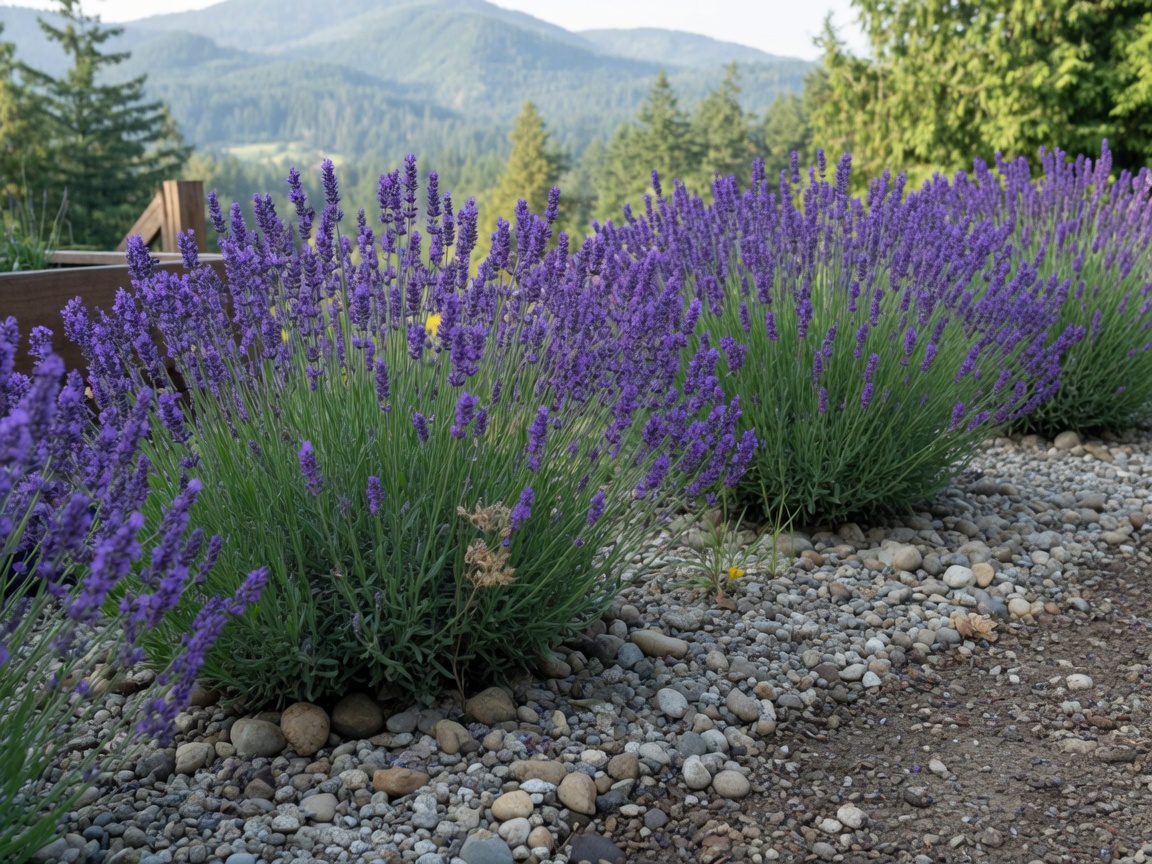
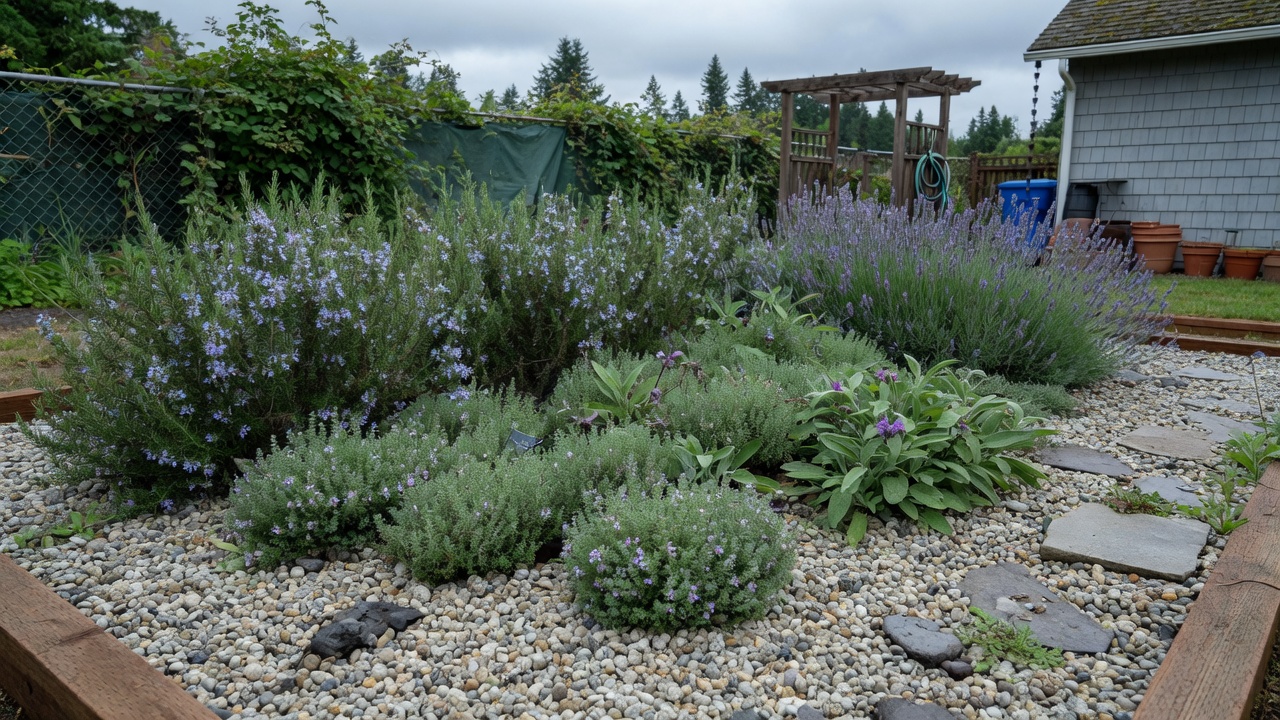
Gritty, drained media; pH often ~6.5–7.5. Mound or raise beds; incorporate coarse mineral. Avoid rich, stagnant compost pits. Gravel mulch > organic mulch at the crown.
Irrigation protocol
Establishment: deep, infrequent. Mature: irrigate only in extended dry spells (often every 2–3 weeks in a dry July, less if cool). Never leave crowns in winter puddles. Containers: summer water as needed; zero saucer storage.
Lab note: Matching lavender to a lettuce irrigation zone is a scheduling error with plant corpses attached.
Nutrient management
Minimal. Light spring compost at most. High N → reduced aromatic intensity and winter kill risk. If you fertilize monthly, you are not growing lavender—you are forcing soft shoot tissue.
Phenology — North Bend
- Plant spring after hard freezes; early fall only on excellent drainage.
- Prune after bloom or early spring: shape living green tissue; do not expect regeneration from ancient bare wood.
- Peak bloom mid-summer when culture is correct.
Advanced practice: wet-winter design
4–6" mounds, high coarse fraction in backfill, emitters off crowns, gravel mulch, windy drying sites. Replace woody hollow plants on a multi-year cycle—lavender is not a long-lived tree.
Graduate extension: cultivar selection
Angustifolia for culinary/hardiness priority. Lavandin and tender types only in proven warm microclimates. Match genotype to hydrology before aesthetics.
Biotic stress
Crown/root rot dominates. Spittlebugs cosmetic. Deer usually low pressure. The primary biotic partner in failure is still the grower’s hose.
Harvest
Cut stems as florets open; dry dark and ventilated. Culinary: prefer angustifolia over high-camphor types.
Unit close
Sun · grit · rare water · English types · crown dry in winter. Everything else is a recurring purchase plan.