Field notes
- Leaving yellow fruit on the vine indefinitely because it “isn’t red yet” is a maturity-assessment failure, not patience.
- Gold types still need ≥8 h sun and early cultivars in this valley. Aesthetic branding is not heat-unit credit.
- Color confers zero late-blight immunity. Pathogens do not read seed catalogs.
- If you only planted yellows for photographs, still meet the cultural minimums—or photograph the grocery aisle.
- Early gold cherries regularly outperform long-season heirlooms here. Hurt feelings are not data.
Learning objectives & crop biology
Yellow/gold tomatoes remain S. lycopersicum. Expect the same degree-day hunger, irrigation discipline, and canopy hygiene as red types. Many cultivars read milder/sweeter; some are lower acid. In North Bend, prioritize short- to mid-season material and the highest-irradiance strip available. Confirm days-to-maturity before purchase—pretty tags are not a syllabus.
Failure mode
Students who skipped Module 01 and expected yellow fruit to be “easier” produce the same green inventory with better excuses.
Irradiance & site selection
≥8 h direct sun. Maintain sufficient leaf cover to limit sunscald during rare heat spikes without building a closed wet canopy. South-wall microclimates still outperform open foggy lawns.
Lab note: Optimism is not a photon. Site the crop where the sun actually arrives.
Edaphic requirements
Drained fertile loam, pH ~6.2–6.8, solanaceous rotation observed. Raised beds preferred. Mulch after soil warms. Disease carryover from last year’s tomatoes does not care that this year’s fruit will be yellow.
Irrigation protocol
Deep, uniform soaks 1–2× weekly in dry stretches. Moisture swings crack fruit regardless of color. Large containers only; check daily in heat.
Lab note: “Intuitive watering” without root-zone checks is how you invent split fruit and then blame the cultivar.
Nutrient management
Balanced at planting; reduce vegetative N after flowering; maintain K for fruiting. Cold nights do not justify dumping N on pale plants that are temperature-limited.
Phenology — North Bend
- Indoor start: mid–late March under real lights—not a dim windowsill hostage situation.
- Transplant: mid–late May (protected culture earlier if competent).
- Harvest: late July–October depending on maturity class.
Advanced practice: maturity literacy
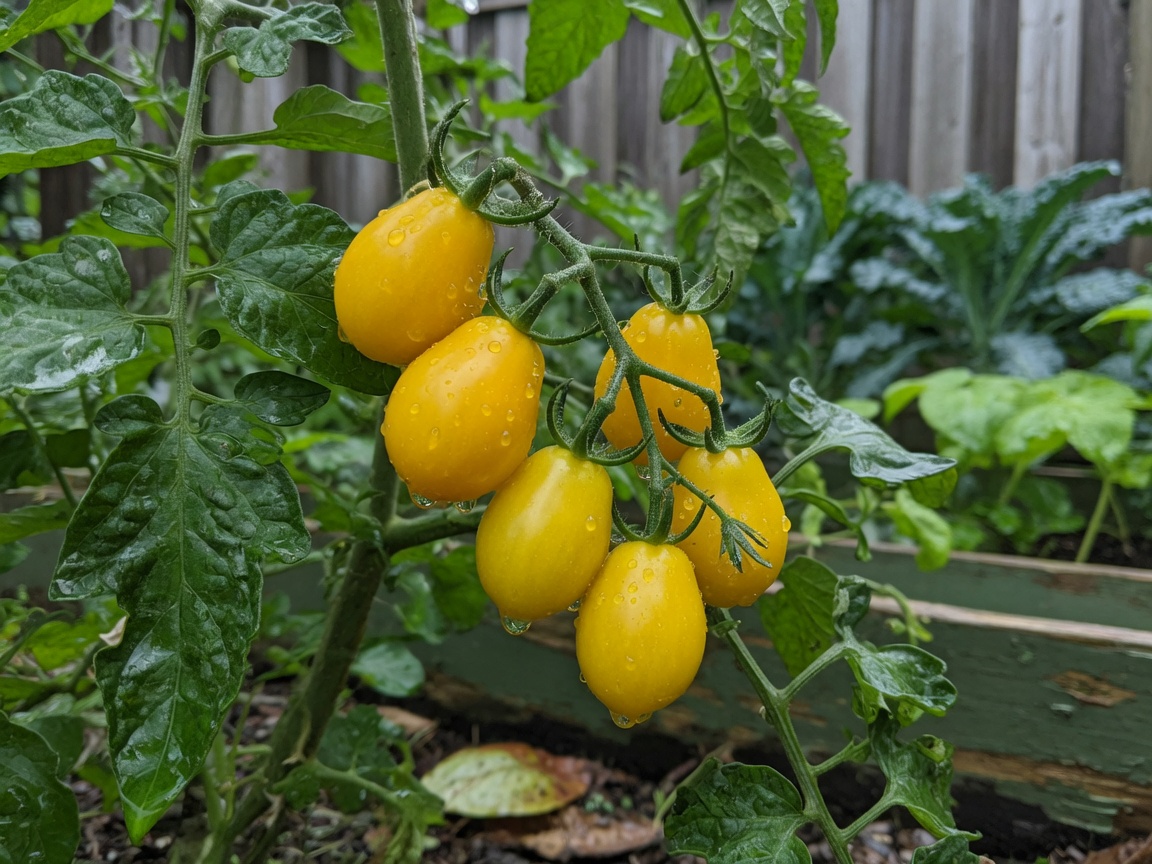
Learn each cultivar’s terminal color (pale lemon vs. deep gold), background color change, gloss, and slight shoulder give. Green shoulders on some golds indicate immaturity. Sensory check one fruit; calibrate. Do not use “red” as the only mental model.
Graduate extension: portfolio planting
Pair a fast yellow cherry with any ambitious red slicer. One will validate the season. In cool years, bet on the early gold.
Biotic stress
Identical complex to red tomatoes. Module 01 and pests.
Harvest & postharvest
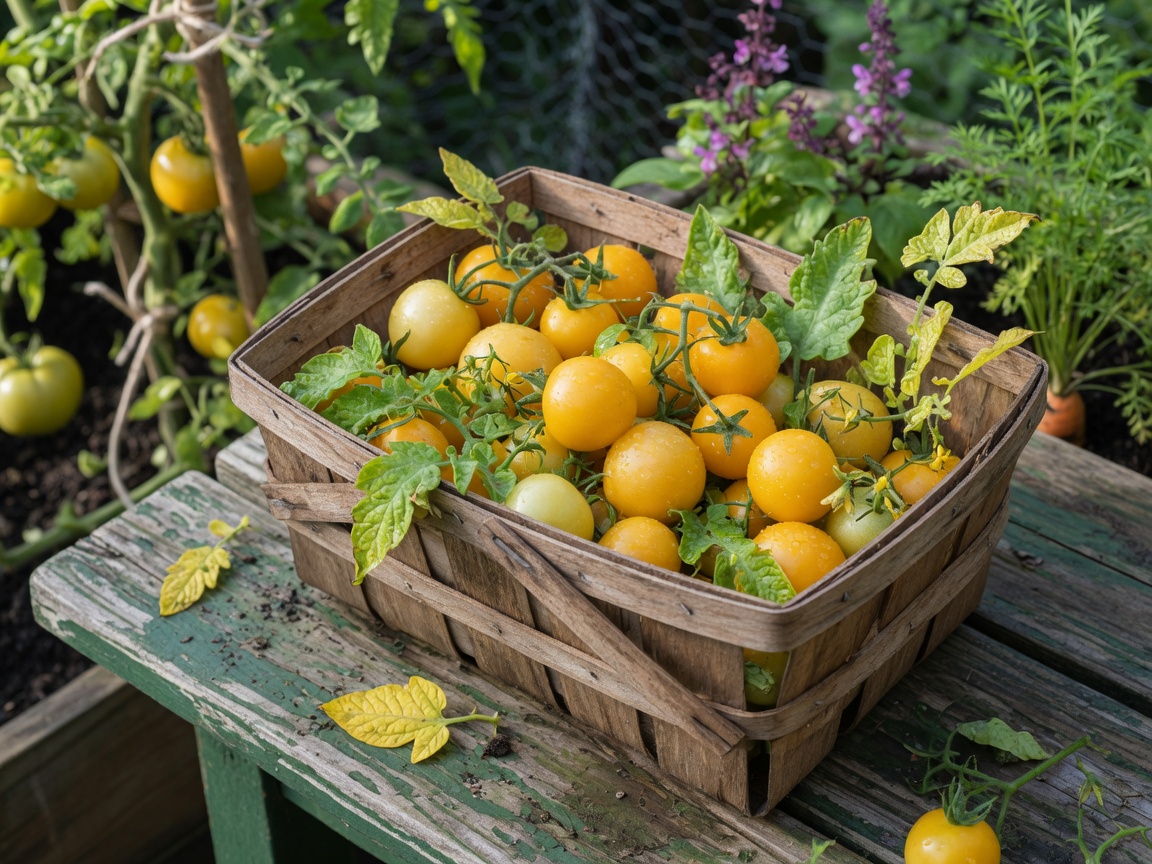
Harvest at mature color for type. Overripe golds bland out or split. Cool room temp storage; avoid refrigeration of ripe fruit unless you enjoy muted aroma.
Unit close
Culture equals red tomatoes. Assessment does not. Pick gold when gold; stop waiting for ketchup.